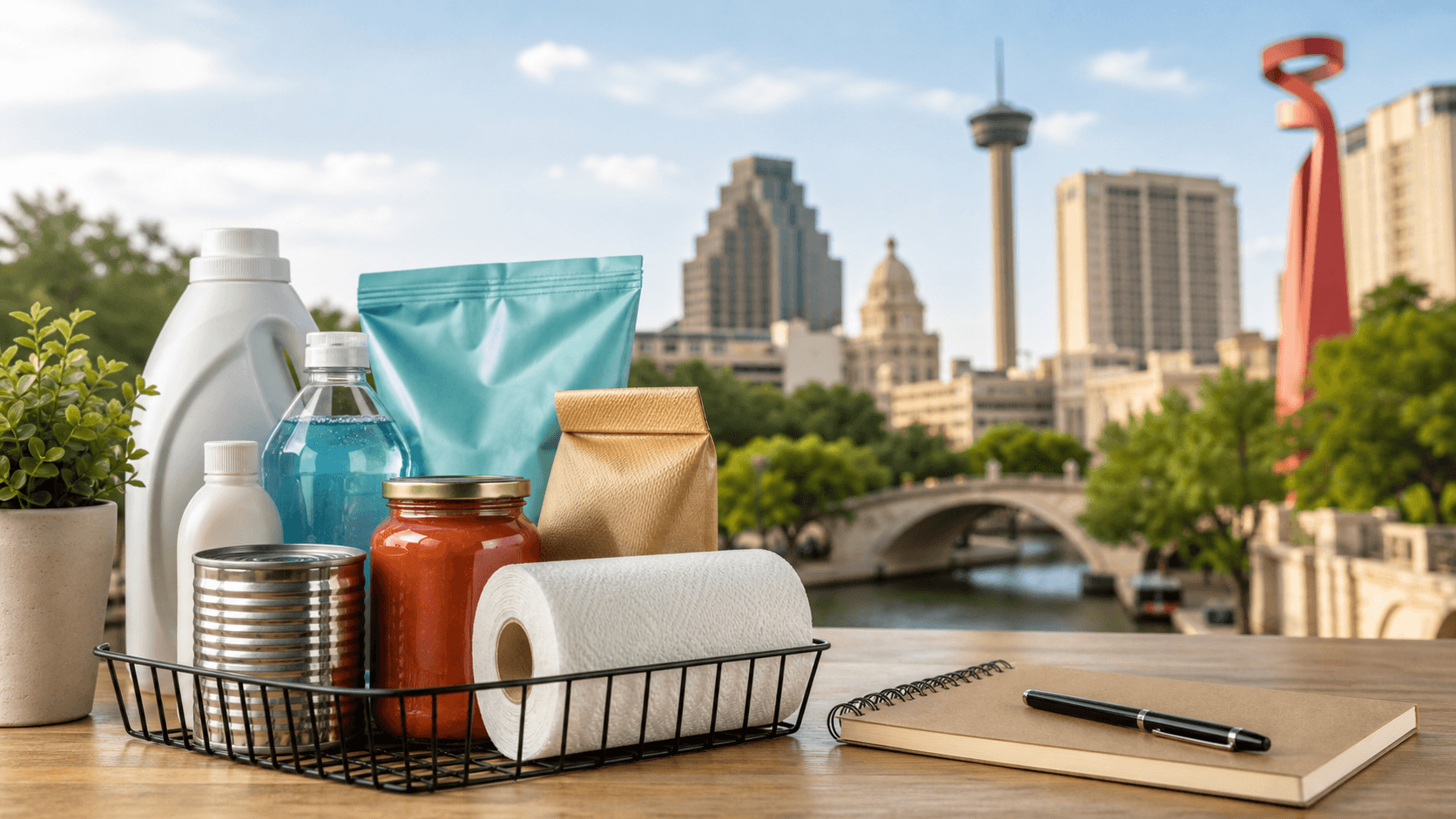
Private label isn't just about lower prices anymore. Behind the scenes, it's become a sharp competitive tool, something CPGs can't afford to ignore. Retailers are more focused on private brands, and shoppers are buying with fewer labels in mind. That shift creates both opportunities and pressure.
As we prepare for spring, planning cycles start to move faster. New products need to be ready, shelves must reset, and every decision has more weight. To keep up, many CPGs are working with private label strategy consultants for retailers. The goal isn't to chase every trend. It's to get ahead of them, adjust product roles when needed, and build stronger relationships along the way.
The Growing Role of Private Label in Retail
Private brands used to play backup. They filled a gap on the shelf or gave shoppers a budget option. Now, they're front and center in categories well beyond paper goods and pantry staples. From snacks to skincare, private label is showing up with serious shelf presence and thoughtful branding.
That shift has CPGs rethinking where they stand. Do we compete directly? Do we pitch as partners? Do we need to reposition the product altogether? These questions don't always have obvious answers. The right one might change depending on the category, timing, or retailer relationship.
We've seen that a strong private label strategy adds clarity. It helps define when to hold tight to a brand strategy and when to flex. And when spring rolls in with tighter timelines and higher stakes, that clarity pays off.
How Consultants Help CPGs See Around Corners
Some changes show up slowly, while others hit in a flash. That's why having an outside view matters. Consultants bring fresh perspective to categories that may feel familiar but are shifting behind the scenes. They often spot risks before they fully develop or highlight opportunities that haven't been tapped.
Private label strategy consultants for retailers do more than analyze data. They bridge the space between what a retailer wants and what a brand can deliver. When planning starts in late winter or early spring, timing that insight right can speed up decisions before products are locked in.
A few ways consultants help build visibility:
- Tracking how private label is behaving within each category
- Clarifying where growth is coming from and where it's slowing down
- Aligning CPG goals with retailer initiatives early, so fewer surprises pop up
That kind of insight gives teams more space to be thoughtful rather than reactive.
Aligning Product Strategy With Retailer Goals
Brands often know their shopper, but not always the full scope of what a retailer cares about. That's where alignment matters. Retailers are managing in-store space, margin pressures, and shopper loyalty, all at once. When CPGs understand those pressure points, product planning gets smoother.
Consultants help translate what a retailer is asking for, sometimes between the lines, and turn it into a plan the brand side can act on. That might mean redesigning a package for quicker shelf stocking or adjusting flavor profiles to match a regional rollout.
When product development shifts from brand-first to channel-aware, a few things happen:
- Conversations with buyers become more productive
- Fewer concepts get stalled or reworked midstream
- Teams start planning rollouts with joint goals, not conflicting ones
This type of reset becomes especially useful ahead of a busy spring reset window, when there's not much room for rework.
Using OGSM and Other Tools to Move Quicker
Spring often stretches every team. Sales is prepping for resets. Marketing is launching campaigns. Supply chain is squeezing to meet demand. Without structure, it's easy to chase one-off goals and drift off course.
Tools like OGSM (Objectives, Goals, Strategies, and Measures) give teams something to anchor to. Rather than juggling branded and private label plans separately, OGSM brings both into one framework. That clarity helps teams prioritize and avoid burning time on work that won't land.
Here's how structured planning helps:
- Objectives set a long-view target, so spring work ties back to it
- Strategies narrow the focus to the efforts that matter most
- Measures make it clear whether we're making progress
With that in place, CPGs can respond to a retailer's spring timeline without losing sight of their own.
Staying Agile in Changing Categories
By March, shoppers are ready for change. They're reaching for fresh produce, clearing out pantry items, and expecting newness on the shelf. That puts pressure on brands to deliver something timely, and fast. Without flexible thinking, it's easy to miss the window.
Having a consultant in the mix helps teams move with more confidence. If a product needs to pivot, they help sort what's worth adjusting and what isn't. If a bundle idea pops up during planning, they help map whether it hits both brand and retailer goals.
A few ways teams stay nimble during spring:
- Testing packaging or pairings before committing at full scale
- Shifting priority to faster-moving SKUs if shopper interest trends up
- Adding quick seasonal variations to stay visible
When we're too close to the product, it's easy to stay stuck in one plan. Outside support helps us adapt quicker, without abandoning what's working.
Building Smarter Spring Strategies That Last
Spring might be the season that feels the busiest, but it's also where strong strategies show their value. Teams that work smarter during these fast-paced months don't just survive the reset, they build the kind of retailer trust that lasts all year.
By spotting change early, we create room for better retailer partnerships. With a sharp private label strategy, we stop reacting and start guiding the conversation. Every adjustment becomes more intentional, more grounded in mutual goals.
When priorities are clear, spring isn't just a scramble to meet shelf deadlines. It becomes a season of making better choices, connecting more deeply with retailers, and setting up the rest of the year with a plan that actually sticks. That's the kind of planning that pays off well beyond April.
Spring planning can feel overwhelming as CPG teams are challenged to move faster with less room for trial and error. Our expertise helps brands bridge the gap between retail objectives and focused, effective execution. Partnering with private label strategy consultants for retailers can transform how spring resets are managed. Let's work together this season, contact ArchPoint Consulting to get started.